Hedge Trimming in Barnes

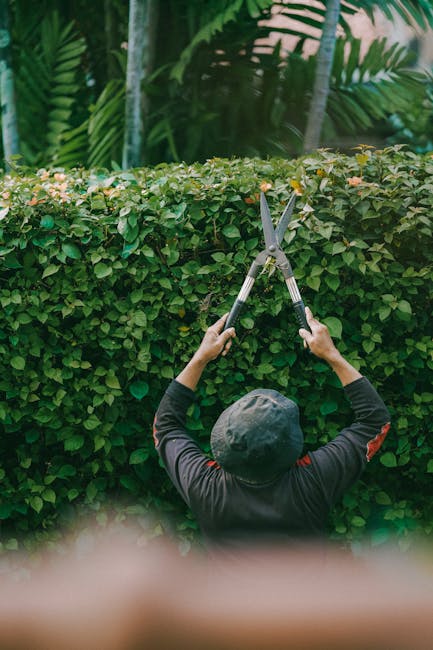
Hedge trimming in Barnes needs a careful, shaped approach that suits the plants, the property and the look you want to keep. Our service focuses on regular hedge cutting and tidying, with attention to clean lines, controlled reduction and the seasonal growth that can make hedges lose form. Whether the hedge is a boundary feature, a privacy screen or part of a wider garden layout, we work to leave it neat, balanced and practical.
We handle routine hedge maintenance for domestic gardens and managed outdoor spaces, including formal shaping, height reduction where appropriate and the removal of unruly growth. Trimming is not just about appearance; it also helps keep a hedge manageable, encourages a more even outline and supports safer access along paths, drives and shared boundaries. If you want to compare options, start with our services overview or go straight to the details you need.
For a quotation, it helps to note the hedge type, approximate length and the finish you want, especially if the work includes both sides or a particular shape. You can also check our pricing and quotes page for a simple overview of how we approach estimates. Tell us what needs cutting, not just that it has grown out, and we can give a more useful response. Request a quotation when you are ready.
Routine Hedge Maintenance
Regular hedge maintenance is the simplest way to keep growth under control before it becomes difficult to manage. We trim hedges so the outline stays even, the top remains level where required and the sides do not begin to encroach on paths, planting beds or neighbouring space. This type of work suits hedges that need seasonal attention rather than major reshaping, and it is often the best option for keeping a property tidy throughout the year.
Different hedge species respond differently to cutting, so the method and timing matter. Some hedges benefit from lighter, more frequent trimming, while others need a more selective approach to avoid leaving bare sections or cutting back too hard into old wood. We work with the growth pattern in mind and aim for a finish that looks deliberate rather than clipped without care. If you need a broader outdoor tidy-up, our garden maintenance page explains related support.
Shaping, reduction and boundary control
Some hedges need more than a surface trim. Where appropriate, we can reduce height or width, improve symmetry and restore a shape that has become uneven over time. Boundary hedges often need particular care near fences, walls and shared edges, where the finish should be neat without putting pressure on adjoining structures. A well-cut hedge should look intentional from both sides, not simply cut back where it is easiest to reach.
Hedge Trimming for Front Gardens and Access Routes

Front gardens, drive entrances and narrow access routes often need hedge cutting with a practical finish in mind. Overhanging growth can reduce visibility, limit movement and make edges look untidy even when the rest of the garden is well kept. We trim hedges in these areas to improve the line of the property, keep routes usable and maintain a clean border that suits the space.
Landscape gardening can include hedges as part of a wider layout, and a tidy hedge often helps frame the rest of the planting. In smaller spaces, careful trimming can also stop a hedge from dominating beds, windows or paved areas. We take a measured approach so the result fits the scale of the garden rather than forcing every hedge into the same shape.
If you are preparing for a quotation, a short note about access is useful, especially where a hedge runs along a shared path, a tight side return or a boundary with limited working space. One clear description of the hedge location, plus any sections that need extra reduction, is usually enough to begin. Good information makes the estimate more relevant, and it also helps set the right expectations for the finish.
Seasonal Cutting and Growth Management
Hedges grow at different rates through the year, so seasonal cutting needs to match the condition of the plant rather than follow a fixed routine. Some hedges need a light tidy to keep their profile even after a strong growing period, while others require a more considered cut to preserve thickness and maintain privacy. We work with the season and the plant’s structure so the trimming supports healthy, manageable growth.
When hedges have not been cut for some time, the work may involve re-establishing the shape gradually instead of taking too much off in one visit. That can mean bringing the sides back in line, lowering the top in stages or clearing awkward growth that has thrown the hedge off balance. For larger outdoor jobs that involve several tasks at once, our garden clearance page may also be useful.
Hedge trimming can also be part of wider tidying around a property that includes borders, lawn edges and overgrown corners. A hedge that is reduced and sharpened at the same time as surrounding growth is usually easier to maintain afterwards. The aim is not only to make the hedge look better immediately, but to leave it in a condition that is practical for the next stage of garden care.
Working Around Different Hedge Types

Not every hedge should be treated the same way. Formal hedges need precision so the line stays straight and the top remains even, while looser, more natural hedges may only need selective trimming to control spread. We adjust the approach to suit the hedge type, whether the priority is symmetry, privacy, light or the overall feel of the garden. That helps avoid a result that looks overly harsh or uneven.
Some hedges are dense and can be shaped with a clean finish, while others need extra care to avoid exposing gaps or cutting into older growth. We consider the visible framework of the hedge, the intended height and the amount of regrowth that can be safely removed. If the hedge is part of a tree line or mixed boundary planting, related work may also overlap with our tree lopping and removal service where different vegetation is involved.
What a careful trim can improve
- Sharper lines along the top and sides
- Better control where branches are spreading into paths or drives
- More even coverage across the length of the hedge
- A tidier boundary appearance for the wider garden
- Reduced need for more disruptive cutting later on
Practical Considerations Before We Trim
Before any hedge cutting begins, it helps to understand the hedge’s length, height and condition so the work can be planned sensibly. Photos can be useful if a hedge is very tall, mixed in with other planting or difficult to describe in words, but they are not the only way to request a quotation. The main point is to make the scope clear enough that the estimate reflects the actual trimming involved rather than a rough guess.
It is also worth noting whether the hedge only needs a tidy cut or whether it has become misshapen, overgrown or uneven. That difference affects the time, method and finish. If you want to compare the service with other related work, our hedge trimming page gives a dedicated summary, while the services overview keeps the options easy to navigate. Please request a quotation when you are ready.
We can work from a clear description of the hedge’s position, the desired result and any access points that matter. Clarity at the start saves time later, particularly when a hedge runs close to fences, gates or other planting that should be preserved. If there are sections you want kept higher for privacy or reduced for visibility, mention that in the same enquiry so the trimming can be planned around it.
Related Outdoor Services
Some customers need hedge trimming as part of broader garden improvements rather than as a stand-alone task. In those cases, it can make sense to look at complementary services that help keep the space orderly as a whole. Our lawn mowing service is useful where the hedge forms part of a garden that also needs regular turf care, while landscaping may be the better route if the hedge is being incorporated into a redesigned layout.
Where a hedge borders timber structures, decking or planted edges, a trimmed profile can help those features feel more balanced and easier to maintain. The relationship between hedge line and surrounding surfaces matters because a hedge that leans too far outward can dominate a space, whereas a cleaner edge leaves the rest of the garden easier to read. You can also see our decking services page if nearby outdoor structures are part of the same project.
For a quick first step, simply decide whether the hedge needs a light tidy, a shape correction or a more noticeable reduction. A focused brief makes it easier to match the work to the result you want. If you are unsure which page to use, the safer option is to send a short request for a quotation and explain the hedge’s condition in plain terms.
About Barnes

Barnes is a riverside district in south-west London, set within the London Borough of Richmond upon Thames and closely associated with the Thames bend at Barnes and the open spaces nearby. The area has a village-like centre built around Barnes High Street, with a mix of period buildings, local shops and smaller streets that give it a distinct residential character. Much of Barnes is shaped by its relationship with water and green space: Barnes Common, the London Wetland Centre and the stretches of the Thames Path all help define how the district is experienced on foot. The wetland centre, on former gravel pits by the river, is one of the best-known environmental sites in the capital, while nearby Richmond Park, although not within Barnes itself, often appears in the wider sense of the district’s south-west London setting. Barnes also has a long cultural association with music and broadcasting, and the area’s small-town feel sits alongside its closeness to central London. The combination of conservation areas, older housing and open river views gives Barnes a varied streetscape, where tree-lined roads and quieter residential terraces sit alongside the busier high street and riverside pubs. Its transport links, including Barnes railway station and the nearby Barnes Bridge station, connect the neighbourhood with surrounding parts of London, but the place still retains a notably local identity shaped by the river, the common and the historic core around the green.
Keeping Hedges Tidy Through the Year
Hedges are easier to manage when trimming is done before growth becomes too heavy. A steady routine helps preserve the shape, reduce the chance of awkward overhang and keep the hedge looking consistent from one season to the next. In practical terms, that means cutting at the right pace for the plant, rather than waiting until the hedge has lost its form and then trying to correct everything at once. Consistent maintenance usually gives the cleanest finish.
There are also limits to what can be achieved in a single visit. A hedge that has been neglected for some time may need a staged approach, especially if it is tall, wide or sensitive to hard cutting. We aim to be realistic about the end result and to keep the trimming proportionate to the hedge’s condition. If you want a broader picture of our approach to upkeep, our garden maintenance and landscape gardening pages can help explain related work.
For an initial enquiry, the most useful details are simple: where the hedge is, what size it is and what you would like it to look like afterwards. If the hedge is part of a boundary shared with neighbours or a public-facing frontage, mention that too. Request a quotation today and we will help you decide what level of trimming is most suitable.
Planning the Trim and Comparing the Finish
When a hedge is being trimmed, the finish matters as much as the cut itself. Some properties suit a crisp, formal line, while others look better with a softer profile that still reads as neat and controlled. We plan the work around the hedge’s function, whether it is there for privacy, screening, decoration or boundary definition. A careful cut should support the garden’s layout rather than overwhelm it.
Where a hedge has become too broad or uneven, we can focus on restoring proportion and visibility. That may involve lowering the top, narrowing the sides or taking out awkward shoots that disrupt the outline. If the hedge forms part of a larger project and you want to understand the wider range of possibilities, our about us page and services overview can help you navigate the service list before you enquire.
The final step is straightforward: if you are ready to move ahead, use the contact route that suits you and request a quotation. A short message with the hedge’s location, approximate size and the finish you want is enough to begin. We will then work from that information to provide a clear response and help you plan the trimming properly.