SW13 guide to hiring gardeners near Barnes Common
If you live in SW13 and your garden is starting to feel a bit unruly, you are not alone. Between shaded borders, older trees, narrow side access, and the general pace of London life, keeping an outdoor space tidy near Barnes Common can become one of those jobs that quietly slips down the list. This SW13 guide to hiring gardeners near Barnes Common is designed to help you make a sensible choice without wasting time, money, or energy.
Whether you need regular maintenance, a one-off seasonal tidy, or help bringing a neglected plot back into shape, the right gardener can make a real difference. And not just visually. A good one saves you hassle, spots problems early, and understands how London gardens actually behave through the year. In our experience, that local know-how matters more than people expect.
This guide walks you through what to look for, how to compare options, what to ask before you book, and how to avoid the common mistakes that lead to disappointment. If you are also exploring broader services, you may find it useful to look at our gardening services overview, or, if you need something more specific, garden maintenance support can be a practical next step.
Table of Contents
- Why SW13 guide to hiring gardeners near Barnes Common Matters
- How SW13 guide to hiring gardeners near Barnes Common Works
- Key Benefits and Practical Advantages
- Who This Is For and When It Makes Sense
- Step-by-Step Guidance
- Expert Tips for Better Results
- Common Mistakes to Avoid
- Tools, Resources and Recommendations
- Law, Compliance, Standards, or Best Practice
- Options, Methods, or Comparison Table
- Case Study or Real-World Example
- Practical Checklist
- Conclusion
- Frequently Asked Questions
Why SW13 guide to hiring gardeners near Barnes Common Matters
Hiring a gardener sounds straightforward until you start comparing people. One says they do everything, another only takes on maintenance, someone else is available "next week maybe", and suddenly the job has become more complicated than the overgrown lavender you were trying to sort out in the first place.
That is why local guidance matters. Around Barnes Common, gardens tend to face a mixed bag of conditions: mature planting, patchy light, wildlife pressure, compact urban soil, and the usual London challenge of not quite having enough time. A gardener who understands SW13 is more likely to recognise what your space needs now, not just what looks neat in a brochure photo.
There is also a trust element. When you are inviting someone to work at your home, you want more than a pair of hands with shears. You want judgement. You want someone who knows when to cut back, when to leave something alone, and when a quick tidy is actually the wrong answer. Truth be told, that nuance is what separates a decent gardener from a genuinely useful one.
If your garden is near Barnes Common itself, access, parking, and timing can all affect how a job runs. That does not sound glamorous, but it shapes the entire experience. A practical local gardener will usually plan around these realities rather than discovering them at the gate with a van full of tools and no place to stop.
How SW13 guide to hiring gardeners near Barnes Common Works
The process is not complicated, but it works best when you approach it in a sensible order. First, define the problem. Do you need mowing and weeding every fortnight, or a one-off overhaul after a long stretch of neglect? Are you dealing with hedge trimming, pruning, leaf clearance, planting, or all of the above?
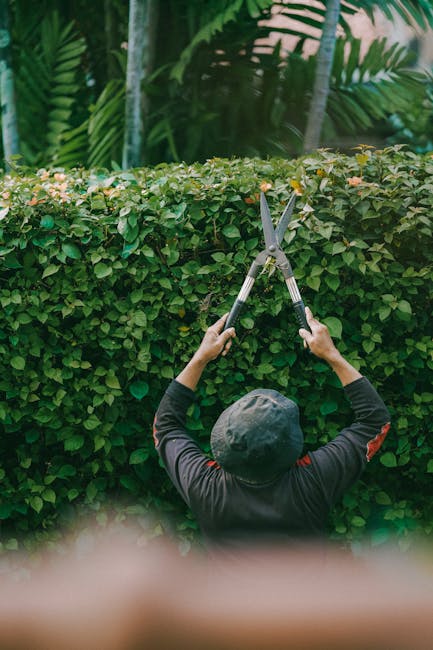
Once you know the job, you can match the type of gardener to the task. Some gardeners focus on regular maintenance. Others are better for planting design, border renovation, or tougher clearance work. If you need help beyond routine care, you may want to compare options alongside hedge trimming services or tree care support where relevant.
Then comes the quote stage. A good estimate usually depends on garden size, condition, access, the scope of work, waste removal, and whether specialist tools are needed. A gardener cannot price properly from vague instructions alone. A few clear photos and a short description usually help a lot. It saves everyone faffing about.
Finally, there is the practical fit. Can they visit at the right time? Do they bring tools? Will they remove waste? Do they explain what they are doing and why? These small things matter because they predict how the whole relationship will feel once work starts.
Key Benefits and Practical Advantages
Hiring the right gardener near Barnes Common is not just about making the garden look tidy for a weekend. The benefits are more durable than that.
- Better year-round condition: Regular care prevents small issues from becoming expensive ones, like congested beds, weak pruning, or turf decline.
- Less stress for you: The garden stops hanging over your head every time you glance out the window.
- Improved plant health: A knowledgeable gardener can spot stress, pests, or poor drainage early.
- Cleaner outdoor use: If you actually use the space, tidy paths, edges, and seating areas make a surprising difference.
- Better seasonal timing: Work done at the right moment is often more effective than a bigger job done late.
There is another advantage people sometimes overlook: consistency. A local gardener who returns regularly gets to know how your garden behaves after heavy rain, during hot spells, or under winter shade. That continuity can be worth more than the cheapest quote in the pile. Cheap is cheap. Helpful is helpful.
If your aim is a broader refresh, you might also look at lawn care services or planting design advice to get a more balanced result across the whole space.
Who This Is For and When It Makes Sense
This guide is for homeowners, landlords, busy professionals, small property managers, and anyone in SW13 who wants a reliable outdoor space without spending every weekend on it. It is especially relevant if your garden is near Barnes Common and the surrounding streets, where gardens can range from compact courtyard plots to larger family spaces with mature planting and fussy corners.
You may need a gardener if:
- you have not had the time to keep up with maintenance
- your borders are becoming overgrown or unbalanced
- hedges, shrubs, or climbers are getting away from you
- you want seasonal tidy-ups before spring or winter
- you are preparing a property for sale or new tenants
- you simply want to enjoy the garden rather than wrestle with it
Some people only need a one-off visit. Others need a standing arrangement every two weeks or once a month. To be fair, there is no universal answer. The right setup depends on how much growth you get, how much you care about presentation, and whether you are aiming for "pleasantly maintained" or "quietly immaculate".
It also makes sense for people who have inherited a garden that needs sensible rescue rather than a dramatic overhaul. If that sounds familiar, a gardener with experience in garden clearance can be more useful than someone who only does light maintenance.
Step-by-Step Guidance
Here is a practical way to hire well, without overcomplicating it.
- Define the job clearly. Write down what you want done now and what can wait. Mowing, weeding, pruning, leaf collection, pressure washing, planting, or waste removal?
- Take a few photos. Wide shots and close-ups help a gardener judge scope far better than a quick text saying "the garden is a bit messy".
- Check what type of gardener you need. Routine maintenance, specialist pruning, planting help, or a one-off tidy-up are not always the same skill set.
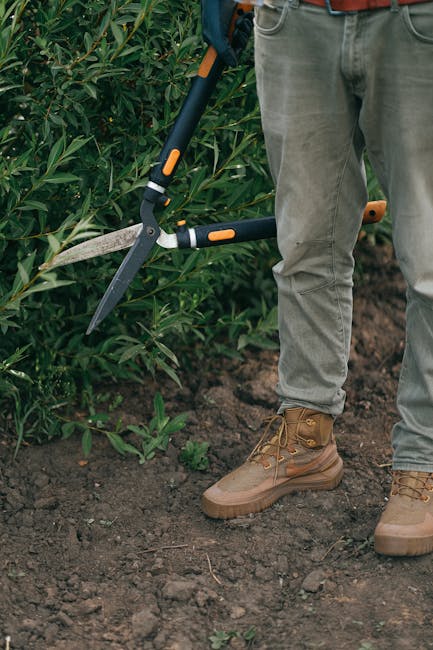
- Ask about tools and disposal. Some gardeners bring everything, some expect access to onsite equipment, and waste handling varies.
- Compare more than price. Look at responsiveness, clarity, local experience, and whether their answers make sense.
- Ask how they work. Do they start with a walkthrough? Do they give advice as they go? Do they flag anything that needs later attention?
- Agree the scope in writing. Even a simple email helps avoid "I thought that was included" conversations later.
- Schedule a follow-up if needed. Gardens often need a second pass after the first tidy, especially if they have been left for a while.
A small note from experience: if a gardener answers your questions clearly before the job, they usually communicate well during the job too. Not always, but often enough that it is worth noticing.
Expert Tips for Better Results
If you want a better outcome, a few simple habits go a long way.
- Be specific about priorities. If the front garden matters more than the back, say so. If you have a party on Saturday, mention it early.
- Ask for a maintenance plan. Even a rough seasonal plan helps keep work focused and prevents random overcutting.
- Keep notes on what was done. A short list from each visit makes the next one more effective.
- Think in seasons, not emergencies. Spring pruning, summer watering, autumn leaf management, winter structural tidy-ups - each has its own rhythm.
- Choose local familiarity where possible. A gardener who knows Barnes and SW13 will usually understand access, parking pressures, and common garden styles better.
One thing people often miss is the value of restraint. A good gardener does not always cut more because they can. Sometimes the best result comes from leaving the right growth in place and shaping around it. That is the sort of judgement you want.
If your garden includes climbing plants, fruit trees, or awkward boundary growth, it may be worth pairing routine maintenance with professional pruning support rather than treating everything as one generic job.
And yes, ask questions. Plenty of them. If someone dodges the basics, that tells you something.
Common Mistakes to Avoid
People usually get into trouble in the same few ways. None of them are dramatic, but they can be costly in time and annoyance.
- Choosing only on price. The cheapest quote can become expensive if the job needs redoing.
- Not defining the scope. "General tidy-up" can mean very different things to different people.
- Assuming all gardeners offer the same service. Some are maintenance-focused; others are better for bigger restoration work.
- Ignoring access details. Narrow side passages, steps, parking limits, and gate widths matter more than you think.
- Skipping waste removal questions. A pile of bags in the corner is not always part of the plan.
- Leaving seasonal jobs too late. Pruning and tidy-ups are often more effective when done at the right time, not after everything has gone wild.
Another common mistake is expecting a single visit to solve a long-term maintenance problem. Sometimes it can, but often the first visit is just the reset. After that, the garden settles into a manageable rhythm. That is normal.
If you are unsure whether you need regular care or just a one-off job, a sensible first conversation can save a lot of guesswork. Do not be shy about saying, "I am not sure what this needs." That happens all the time.
Tools, Resources and Recommendations
You do not need to become a gardening expert to hire wisely, but a few tools and reference points help.
- Photos of the garden: The easiest way to communicate scope.
- A rough list of tasks: Split it into urgent, desirable, and later.
- Basic measurements: Approximate lawn size, hedge length, or border width can help with pricing.
- Access notes: Gate width, parking restrictions, storage space, and water access.
- Seasonal reminders: A calendar note for spring, mid-summer, autumn, and winter reviews.
For many households, the best "resource" is a dependable local service that can handle multiple needs over time. If you are trying to keep everything under one roof, it can be worth exploring ongoing garden maintenance, lawn care, and hedge trimming rather than juggling several disconnected providers.
On the practical side, keep a simple record of quotes, dates, and what was completed. It sounds a bit dull, I know, but it makes comparisons easier and helps if you decide to change provider later.
Law, Compliance, Standards, or Best Practice
Gardening is not a heavily regulated service in the way some trades are, but there are still important standards and sensible precautions to keep in mind. These are best handled carefully rather than assumed.
Insurance: A professional gardener should ideally carry suitable public liability insurance. That matters if tools, property, or third-party damage becomes an issue. You do not need to become an insurance expert, but asking whether cover is in place is a reasonable step.
Waste handling: If green waste is being removed, ask how it is disposed of. Reputable providers should be able to explain their process clearly and in plain English.
Noise and neighbours: In a residential area like SW13, it is courteous to consider timing, noise levels, and access. Early starts can be fine in principle, but neighbour sensitivity varies, and common sense goes a long way.
Plant protection and wildlife: Gardens near mature green space can host birds, insects, and other wildlife. A careful gardener should avoid unnecessary disturbance, especially during nesting periods or when working around established habitat. If in doubt, cautious timing is better than blunt-force tidying. Let's face it, nobody wants a "clean" garden that has been cleaned too hard.
Best practice: Clear communication, written scope, sensible scheduling, and a careful approach to pruning and waste are the basics. None of this is flashy, but it is how good jobs stay good.
Options, Methods, or Comparison Table
Different hiring options suit different needs. Here is a straightforward comparison.
| Option | Best for | Pros | Watch out for |
|---|---|---|---|
| One-off gardener | Seasonal tidy-ups, clearance, reset jobs | Flexible, quick to arrange, good for short tasks | May not provide continuity or long-term planning |
| Regular maintenance gardener | Ongoing care, lawns, borders, hedges | Consistent results, better plant familiarity, easier upkeep | Needs clear scope so small tasks do not get missed |
| Specialist pruning or planting help | Established shrubs, trees, problem borders, replanting | More technical knowledge, often better outcomes for specific jobs | May cost more and be less suited to general chores |
| Full-service garden care | Busy households, larger plots, mixed tasks | Convenient, broader skill coverage, easier coordination | Quality depends on how well the company assigns the work |
For many SW13 homeowners, the sweet spot is a regular gardener for routine work, backed up by specialist help when a problem gets more technical. That hybrid approach keeps things sensible and avoids paying specialist rates for simple mowing.
Case Study or Real-World Example
Imagine a typical Barnes-side garden after a wet winter. The lawn is patchy, the hydrangeas are tangled, ivy has crept further than intended, and the back path has turned into a mossy slip risk by mid-morning. Nothing catastrophic. Just enough to feel annoying every time you look out the kitchen window.
The homeowner's first instinct might be to ask for "a quick tidy". Fair enough. But once a local gardener inspects the space, the real needs are clearer: lawn edging, careful pruning of dead wood, weed removal from the borders, leaf clearing, and a small amount of waste disposal. Not a dramatic makeover. Just proper, thoughtful maintenance.
Because the gardener understands the area, they also plan the visit around access constraints and parking. No wasted time unloading halfway down the road. The work is done in a sensible sequence, starting with the mess that causes the most friction visually, then moving to the details. By the end, the garden looks lighter, less cramped, and somehow easier to breathe in. Small change, big relief.
That is often what good garden help feels like. Not flashy. Just quietly transformative.
Practical Checklist
Use this before you book anyone.
- Have I listed the exact tasks I want done?
- Do I know whether I need one-off work or regular maintenance?
- Have I shared clear photos or a walkthrough description?
- Do I know whether waste removal is included?
- Have I asked what tools the gardener brings?
- Have I checked whether they have relevant insurance?
- Have I confirmed timing, access, and parking details?
- Do I understand what is included in the quote?
- Have I asked about pruning, planting, or specialist work if needed?
- Does the gardener communicate clearly and promptly?
If you can tick most of those boxes, you are already ahead of many people who book on instinct alone. And yes, instinct matters too, but it should be backed by a few practical checks.
Conclusion
Hiring a gardener near Barnes Common does not need to be a gamble. With a clear brief, a few smart questions, and a local provider who understands SW13 gardens, you can get much better results than by choosing randomly or chasing the lowest price. The best outcomes usually come from calm, practical decisions made early.
The key is to think beyond the first visit. A good gardener helps your garden become easier to live with, easier to maintain, and easier to enjoy through the seasons. That is the real win. Not just tidy edges, but a space that feels looked after.
If you are comparing options now, take a moment to define what matters most: reliability, specialist knowledge, regular upkeep, or a one-off rescue. Once that is clear, the right choice becomes much easier to see.
Get a free quote today and see how much you can save.
And when the first job is done properly, you will probably notice it straight away the next time you step outside. A better garden has a way of lifting the whole day.
Frequently Asked Questions
How do I choose the right gardener near Barnes Common?
Start by matching the gardener to the job. Routine maintenance, hedge cutting, planting, and clearance work are not always the same service. Ask for clear scope, photos, insurance information, and an explanation of what is included before you book.
What should I ask before hiring a gardener in SW13?
Ask about experience, tools, waste removal, timing, pricing structure, and whether they handle regular maintenance or one-off work. It also helps to ask how they would approach your particular garden, not just what they charge.
Is it better to hire a one-off gardener or someone on a regular schedule?
If the garden needs a big reset, a one-off visit may be the right place to start. If you want it to stay under control through the year, regular visits usually offer better value and more consistent results.
How much does it cost to hire a gardener near Barnes Common?
Costs vary depending on garden size, condition, access, the type of work, and whether waste is removed. It is better to request a written quote based on your actual requirements rather than rely on a rough guess from someone who has not seen the space.
Do gardeners usually bring their own tools?
Many do, but not all. Always confirm this in advance. If a job needs specialist equipment, it may affect the quote or the timing.
Can a gardener help with overgrown gardens?
Yes, many can. For heavily overgrown spaces, ask whether they offer clearance work as well as maintenance. A more neglected garden may need a staged approach rather than one quick visit.
What is the difference between garden maintenance and garden clearance?
Maintenance is the regular upkeep that keeps a garden tidy and healthy. Clearance is more intensive work, often involving brambles, heavy weeds, fallen debris, or a garden that has been left for a while. The scope and effort are usually very different.
Should I hire someone local to SW13 specifically?
If possible, yes. A local gardener is more likely to understand access, parking, nearby garden styles, and seasonal conditions in the area. That can save time and reduce misunderstandings.
Do I need to be at home while the gardener is working?
Not always. Many people arrange access in advance and leave the gardener to it. That said, for the first visit, being present can help ensure the brief is understood properly.
What if I am not sure what my garden needs?
That is completely normal. A good gardener should be able to assess the space, suggest priorities, and explain what should happen first. You do not need all the answers before the first conversation.
How often should a garden near Barnes Common be maintained?
It depends on the size of the space, how quickly it grows, and how neat you want it to stay. Some gardens benefit from fortnightly care, while others only need seasonal visits and occasional tidying.
Can a gardener also help with planting and design?
Some can, especially if they have broader horticultural experience. If planting is important, ask for examples of similar work and make sure they understand the light, soil, and style of your garden.