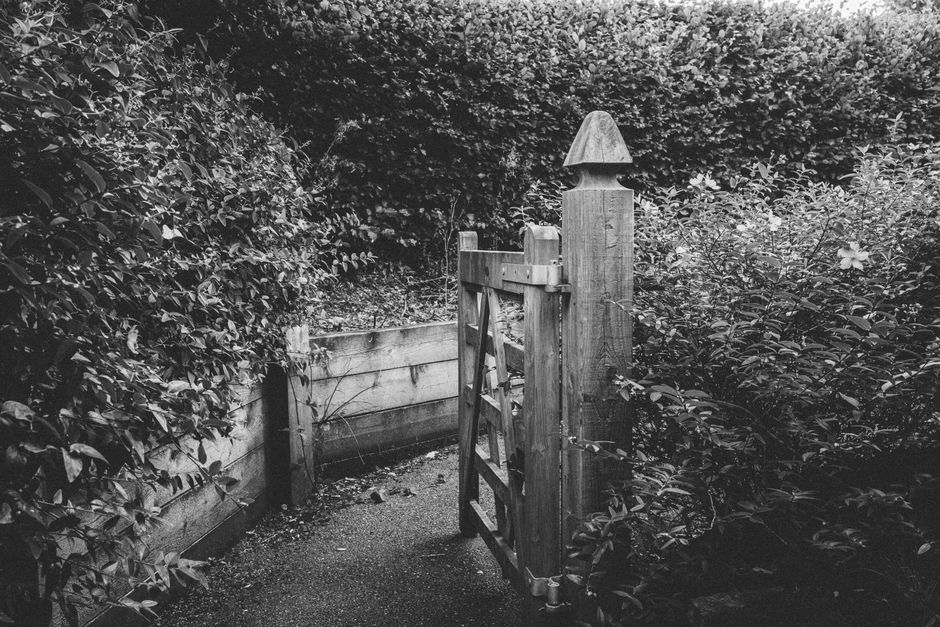
Common problems with garden access for Barnes gardeners

If you garden in Barnes, you already know the job is rarely just about plants, soil, and timing. Very often, the real headache is getting into the garden in the first place. Common problems with garden access for Barnes gardeners can affect everything from a quick lawn tidy to a full seasonal clearance. Narrow side passages, awkward gates, shared entrances, stepped levels, overgrown front paths, and limited parking can all turn a straightforward visit into a logistical puzzle.
That matters because access affects time, cost, safety, and the quality of the work. It can also shape what kind of maintenance is realistic in the first place. In this guide, we'll walk through the most common access issues Barnes gardeners run into, why they matter, and what a sensible fix actually looks like. Nothing dramatic. Just practical, local, real-world advice.
Why Common problems with garden access for Barnes gardeners Matters
Access sounds like a minor detail until you are carrying hedge trimmers, sacks of cuttings, a mower, or a barrow full of waste through a narrow gap that barely fits a person sideways. Then it becomes the whole job.
In Barnes, many gardens sit behind period homes, terraced properties, or side return layouts where the route to the back garden is not generous. Sometimes the issue is a slim passage. Sometimes it is a locked gate, an alley shared with neighbours, or a route broken by steps, slippery paving, or a bin store that seems to have appeared overnight. The point is simple: garden access affects what can be done, how quickly it can be done, and whether the work can be completed without hassle.
Good access also reduces disruption. Less time spent carrying tools back and forth means less noise, less strain, and less chance of damaging fences, walls, plants, or the property itself. To be fair, most clients do not think about this until the morning of the job. That is usually when the awkward conversation starts.
For a service provider, access is not just convenience. It is part of planning, pricing, and safety. For a homeowner, landlord, or managing agent, it is one of the easiest things to overlook and one of the easiest things to improve.
How Common problems with garden access for Barnes gardeners Works
When gardeners talk about access, they mean the practical route from the street to the work area and back again. That includes gates, side paths, steps, doors, parking proximity, storage space, and where waste can be loaded out.
The most common access problems usually fall into a few patterns:
- Narrow entry points that make larger tools or wheelbarrows difficult to move through.
- Long carry distances from the van to the garden, which slows the job and increases labour.
- Locked or unavailable access if keys, codes, or neighbour arrangements have not been sorted in advance.
- Uneven surfaces and steps that create trip risks, especially when carrying heavy or awkward items.
- Overgrown access routes where hedges, brambles, or stored items have narrowed the passage.
- Limited parking that forces equipment to be carried a longer distance than expected.
- Shared or communal access where timing, permissions, and neighbour awareness matter.
Once access is assessed properly, the gardener can decide whether the work can proceed as planned or whether a different approach is needed. Sometimes that means using smaller equipment. Sometimes it means splitting a job into phases. Sometimes it means recommending garden clearance before anything else, because there is simply no safe route through the mess yet.
The best jobs are rarely the ones that look easiest from the road. They are the ones where everyone has taken ten minutes to think ahead. A tiny bit of planning saves a lot of muttering later on.
Key Benefits and Practical Advantages
Fixing access issues is not glamorous, but it pays off quickly. Better access improves day-to-day maintenance and makes one-off visits much smoother.
- Faster work because tools and waste move more efficiently.
- Lower risk of damage to paving, paintwork, gates, sheds, and planted borders.
- Safer handling of sharp tools, heavy bags, and bulky waste.
- Cleaner finish because gardeners spend more time on the actual task, not on wrestling with access.
- More accurate quotes when access conditions are known in advance.
- Less stress for residents and neighbours, especially in tight residential streets.
There is also a quality angle. If a gardener can get a mower, trimmer, or waste sacks in and out without making a scene, the whole garden tends to be treated more carefully. It sounds obvious. Still, many of the best results come from removing friction before the first cut is made.
Expert summary: In practice, good garden access is less about convenience and more about safe movement, sensible scheduling, and protecting the property while work is carried out.
For recurring work, access improvements also support regular upkeep. That can pair well with garden maintenance or, where lawns are part of the problem, structured lawn mowing visits. A small improvement at the gate often makes the whole maintenance routine feel more manageable.
Who This Is For and When It Makes Sense
This topic matters to more people than you might think. It is not only for homeowners with tiny side returns. In Barnes, access issues can affect all sorts of properties and arrangements.
- Homeowners who want regular garden care without disturbing the house too much.
- Landlords and letting agents dealing with overgrown outdoor spaces between tenancies.
- Managing agents responsible for shared entrances, communal gardens, or awkward rear access.
- Older residents who need safe, predictable visits rather than repeated moving of furniture, bins, or pots.
- Busy families who want the garden sorted with minimum disruption.
- Anyone planning landscaping work where materials, equipment, and waste have to pass through a narrow route.
It makes sense to think about access before the job starts if the garden is heavily overgrown, if there are steps or steep changes in level, or if tools and waste will need to move through a shared area. It also makes sense when you are considering more involved work such as landscaping, landscape gardening, or even installing new features through decking services.
Truth be told, if the access route is awkward on a normal day, it will feel ten times worse on a wet Tuesday with a van parked half a street away. That is the reality.
Step-by-Step Guidance
If you are trying to reduce access problems, a calm step-by-step approach works better than a rushed one. Here is a practical order that tends to help.
- Walk the route from street to garden. Look at the full path, not just the gate. Note narrow sections, steps, obstructions, and any slippery surfaces.
- Measure the tight spots. You do not need an engineer's notebook, but rough widths are useful. Can a mower pass? Can a wheelbarrow turn? Does a sack have to be carried by hand?
- Check keys, locks, codes, and permissions. If there is a side gate or communal entrance, make sure access arrangements are agreed in advance.
- Clear obvious obstacles. Move bikes, bins, stacked pots, garden furniture, and storage boxes out of the way where possible.
- Think about waste flow. Where will cuttings go? Is there an easy route for bags and branches, or will they need to be carried through the house?
- Choose the right method. A compact mower, hand tools, or phased clearance may be better than trying to force a big setup through a tight space.
- Review safety. Wet paving, poor lighting, uneven steps, and loose paving stones should be addressed before work begins.
If the garden has become so congested that access is effectively blocked, a focused garden clearance visit may be the most sensible first move. After that, regular upkeep becomes much easier. One job clears the way for the next. Simple, really.
A practical tip: take a couple of photos from the gateway, the side passage, and the rear access point. Even without fancy measurements, those images help identify pinch points before anybody arrives on site.
Expert Tips for Better Results
The small details often make the biggest difference. Here are the habits that usually separate a smooth visit from a frustrating one.
- Keep access routes predictable. If the gardener uses the same route each time, leave it clear and uncluttered.
- Protect delicate surfaces. If paving, decking, or old stonework is prone to marking, plan a gentler route or temporary protection.
- Use compact equipment where needed. In tighter Barnes gardens, smaller tools are often more practical than trying to bring in everything at once.
- Schedule work when neighbours are least likely to be affected. Shared access can be a bit awkward in the morning rush.
- Leave room for waste staging. A small area for bags or cuttings saves repeated trips back and forth.
- Keep hedges and boundary growth trimmed. Overgrown access is a common culprit. Regular hedge trimming can make a side passage feel wider almost overnight.
One little trick that helps more than people expect: put the kettle on for the team and have the access route explained in one clear sentence. Sounds minor. It is minor. But it often prevents that awkward first five minutes of everyone guessing the route through the house, the side return, and the bin store.
If the issue is not the route itself but the amount of material that needs moving, the answer may be to split the work into stages. A first visit clears access. A second visit completes the finer detail. That is not a failure; it is good judgement.
Common Mistakes to Avoid
Most access problems are predictable, which means they are also avoidable. These are the mistakes that cause the most unnecessary friction.
- Assuming access will "just be fine". It often is not, especially in older properties or shared spaces.
- Leaving gates locked or codes unshared. A ten-second oversight can waste a whole visit.
- Ignoring the route for waste removal. Moving waste out is usually harder than bringing tools in.
- Forgetting about parking. A van parked far away means more carrying, more time, and more fatigue.
- Not clearing loose items first. Pots, hoses, ornaments, and bins create clumsy trip points.
- Choosing large equipment for a small passage. That is how fences get scraped and tempers rise. Nobody wants that.
Another common mistake is waiting until the day of the visit to mention the access issue. By then, the price, schedule, and labour assumptions may already be wrong. A better approach is to raise it early, even if it feels a bit obvious.
And honestly, if you have to squeeze sideways through the passage holding a hedge trimmer above your head, the route probably needs rethinking.
Tools, Resources and Recommendations
You do not need specialist kit to improve garden access, but a few practical items can help. The right setup depends on the property, the work, and how often the garden is maintained.
| Access issue | Useful response | Why it helps |
|---|---|---|
| Narrow side passage | Compact tools, staged carrying, clearing obstructions | Reduces scraping, rushing, and repeated movement |
| Overgrown entrance | Initial clearance and trimming | Creates a safer, wider route through the garden |
| Shared access | Advance permission, clear timing, neighbour awareness | Prevents delays and misunderstandings |
| Long carry distance | Plan waste staging, use heavier-duty bags carefully | Limits repeated trips and wasted effort |
| Uneven steps or surfaces | Temporary clearing, better lighting, cautious lifting | Reduces trip risk and tool damage |
For more complex outdoor changes, it can help to review the wider service picture through the services overview. That gives a sense of how different jobs fit together, especially when access limitations mean one task must happen before another.
It is also worth thinking beyond the immediate job. If the garden is changing shape or function, the access route should be considered alongside the layout. That is where landscaping and practical planning often go hand in hand. Little bit of thought now, fewer headaches later.
Where waste handling is becoming the main issue, a proper garden clearance approach may be more suitable than piecemeal tidying. And if sustainability matters to you, it is sensible to ask how green waste is handled; the site's recycling and sustainability information is a useful starting point for that conversation.
Law, Compliance, Standards, or Best Practice
Garden access may seem informal, but there are still sensible standards to follow. In the UK, gardeners and property owners should think about safe working practices, clear communication, and proper handling of waste and equipment. Exact responsibilities can vary depending on the property type and who is carrying out the work, so it is wise to stay practical and cautious rather than making assumptions.
Best practice usually includes:
- Safe manual handling when carrying tools, branches, or bags through tight access points.
- Clear risk awareness for steps, wet surfaces, poor lighting, and awkward turns.
- Proper consent for shared entrances, communal areas, or access through neighbouring property.
- Reasonable protection for flooring, paving, gates, and walls where work may cause contact or scuffing.
- Waste management that follows local expectations for green waste and site cleanliness.
If you are arranging work in a managed building or a property with shared access, it is worth checking any house rules or permissions before the appointment. That is not overcautious. That is just sensible. And if the access route could create a safety issue, it should be flagged early so the job can be adapted.
For customers who value contractor reliability, a few related pages can help build confidence, including health and safety information, insurance and safety details, and the company's about us page. Those pages do not solve the access problem on their own, of course, but they do show the sort of standards a careful service should be built around.
Options, Methods, or Comparison Table
There is no single right way to deal with difficult access. The best option depends on the property and the size of the job. Here is a straightforward comparison.
| Method | Best for | Pros | Trade-offs |
|---|---|---|---|
| Standard full-access visit | Open gardens with straightforward entry | Fast, efficient, usually simplest | Not suitable for tight or restricted routes |
| Compact-tool approach | Narrow side passages or small gates | Flexible and less invasive | May take longer on larger jobs |
| Phased work | Heavy overgrowth or cluttered gardens | Safer and easier to control | May need more than one visit |
| Clearance first, maintenance later | Blocked routes or neglected gardens | Makes future upkeep much easier | Initial visit can feel less tidy before it improves |
| Design-led improvement | Gardens being reshaped or renovated | Can improve flow long term | Needs planning and may involve more work upfront |
For many Barnes homes, the best answer is not one method but a combination: trim the boundary growth, clear the route, then keep on top of the garden with regular visits. That is where access stops being a nuisance and starts becoming part of good garden care.
Case Study or Real-World Example
Here is a realistic example. A homeowner in Barnes had a back garden that looked manageable from inside, but the side access was blocked by stored items, a tight gate, and an overgrown hedge that had crept into the path. The garden itself was not huge, but the route in and out made every job feel harder than it should.
Rather than forcing a full-scale visit straight away, the first priority was access. Loose items were moved, the hedge line was reduced, and the heaviest tasks were broken into smaller stages. Once the route was workable, routine maintenance became much more practical. Mowing no longer felt like an obstacle course, and waste could be removed without dragging branches through the house.
The useful lesson here is simple: the garden did not need a miracle. It needed a route. Once that was sorted, the rest stopped being so awkward. A lot of Barnes properties are like that, if we are honest.
That same principle often applies when people are planning bigger changes too. If the access route is awkward, it is worth considering how the new layout will affect everyday movement, storage, and maintenance before any design decisions are locked in.
Practical Checklist
Use this before a scheduled visit or before deciding how to tackle a tricky garden.
- Is the route from street to garden clear and unlocked?
- Are gates, codes, or keys ready in advance?
- Can a mower, trimmer, or wheelbarrow pass without forcing the route?
- Are steps, wet paving, or loose surfaces likely to cause a trip risk?
- Have bins, bikes, furniture, and pots been moved out of the way?
- Is there a sensible place for cuttings or waste to be staged?
- Will parking or loading be a problem on the day?
- Does any shared access need neighbour or manager approval?
- Would hedge cutting, clearance, or staging work make the route safer?
- Have you shared a few photos or measurements if the access is tight?
If you can tick most of those off, the visit is usually much smoother. If you cannot, that is not a disaster. It just means a bit more planning is needed before the first cut, and that is perfectly normal.
Get a free quote today and see how much you can save.
Conclusion
Garden access problems are one of the most common reasons outdoor work feels harder in Barnes than it should. Narrow passages, awkward gates, uneven steps, overgrown routes, and limited parking all add pressure. But once you treat access as part of the job rather than an afterthought, things become far easier to manage.
The good news is that most access issues are fixable, or at least improvable. A tidy route, a clear plan, the right tools, and a realistic order of work can make a huge difference. Not glamorous, perhaps, but very effective.
If your garden feels awkward to reach, start with the route, not the plants. The rest tends to follow. And when the access finally works, the garden often feels like it can breathe again.
Frequently Asked Questions
What are the most common garden access problems for Barnes properties?
The most common issues are narrow side passages, locked gates, shared entrances, steps, overgrown hedges, and long carries from the van to the work area. In Barnes, older layouts and compact plots often make these issues more noticeable.
Why does access matter so much for garden maintenance?
Because access affects safety, speed, and the amount of handling required. If tools and waste are difficult to move, even simple jobs become slower and more expensive. Better access usually means better results, too.
Can a gardener work if the side gate is very narrow?
Often yes, but it depends on the equipment and the size of the task. Smaller tools, phased work, or a clearance-first approach may be needed. If the route is too tight for safe movement, the job may need adjusting.
Should I clear the access route before the gardener arrives?
Yes, where you reasonably can. Moving bins, bikes, pots, furniture, and loose items helps a great deal. Even a small amount of clearing can save time and reduce the risk of damage.
What if the garden can only be reached through a shared entrance?
Then permissions and timing matter. It is best to make sure access is agreed in advance and that anyone affected knows when the work is happening. Shared access can be perfectly workable, but it needs a bit more coordination.
Is overgrown access a separate job from garden maintenance?
Sometimes it is. If hedges, brambles, or self-seeded growth have narrowed the passage, the access route may need its own tidy-up before regular maintenance becomes practical. That is where hedge trimming or clearance can help.
Do access problems increase the cost of garden work?
They can, because awkward access usually means more carrying, more time, and sometimes smaller equipment or additional visits. That said, the most important thing is for the quote to reflect the actual site conditions, not guesses.
How can I make a Barnes garden easier to service long term?
Keep the route clear, avoid storing items in the passage, trim boundary growth regularly, and think about how waste will be removed. For more involved gardens, it can also help to review the layout and flow as part of a wider landscaping plan.
What should I tell a gardener before the visit?
Tell them about narrow gates, shared entrances, locks, parking issues, steps, overgrowth, and any items that cannot be moved. Photos are often helpful. A clear heads-up usually leads to a smoother visit.
Are there safety rules gardeners follow for tight access areas?
Yes. Good practice includes safe lifting, avoiding slips and trips, protecting surfaces, and making sure there is a safe route for moving tools and waste. Contractors should plan around known hazards rather than pushing through them.
What happens if access is too difficult on the day?
If the site is not safe or practical to work in as planned, the job may need to be changed, delayed, or split into stages. That is frustrating, but it is usually better than forcing a bad setup and risking damage or injury.
Where can I find more information about the services offered?
A good place to start is the site's services overview, along with the pages for garden maintenance, hedge trimming, and garden clearance. Those pages help you match the access issue to the right type of work.
How do I know whether access is the real problem or just a symptom?
If the garden is hard to maintain because the route is blocked, cluttered, or unsafe, access is probably a major factor. If work keeps stalling at the same point, the access route is often the part to fix first. Once that is sorted, everything else usually gets easier.